
Restaurant design is far more than aesthetics. The spatial arrangement, materials, lighting, and acoustics work in concert to influence how guests perceive the food, how long they linger, and what they remember long after the last course. A masterfully designed dining space doesn’t simply serve food—it orchestrates an entire sensory experience that elevates the meal from mere sustenance to an unforgettable moment.
Light, Color, and the Psychology of Appetite
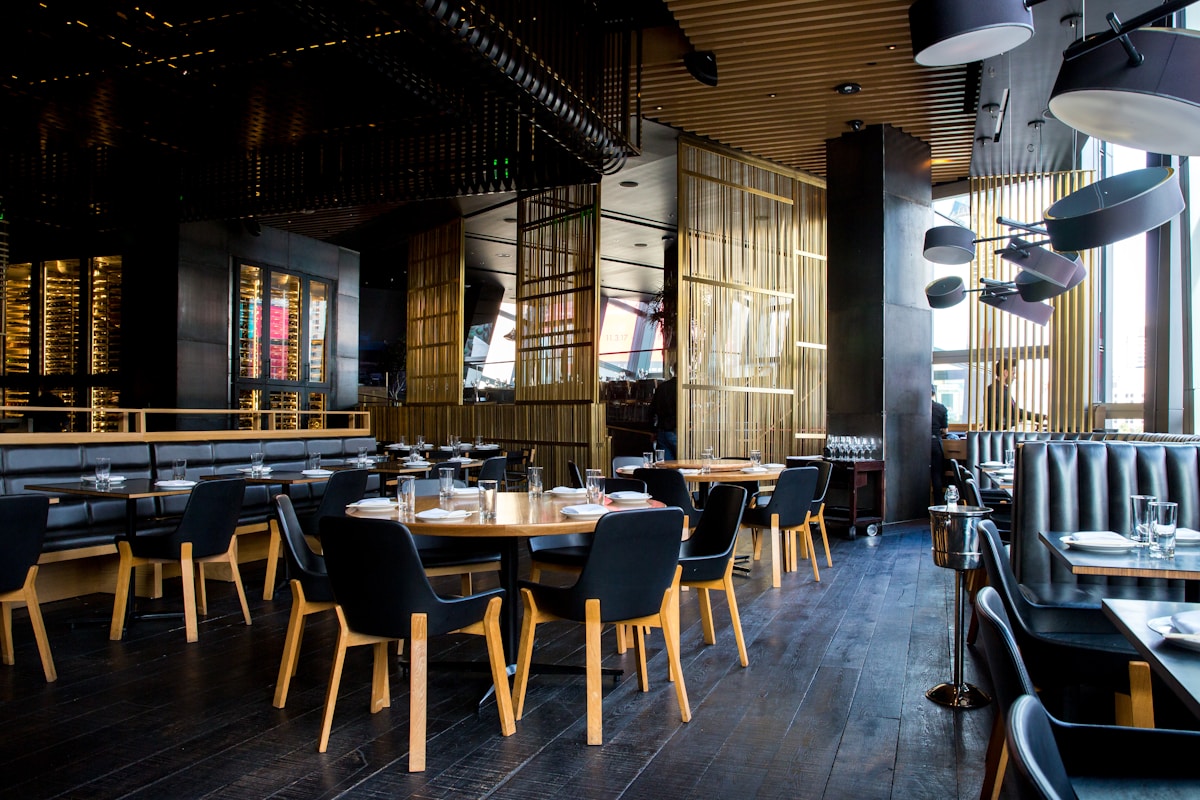
Lighting shapes appetite before a single ingredient touches the plate. Warm, dimmed lighting—typically between 50 and 100 lux—creates intimacy and slows diners down, encouraging them to savor both food and company. This luminous quality activates different neural pathways than harsh overhead light, which triggers a reflexive eat-and-leave mentality. Layer warm accent lighting with softer ambient illumination, and you create a space where the food appears more vibrant and the diner feels welcomed into a private moment. The color temperature of light matters equally: warm white (2700K–3000K) enhances warm food tones and creates comfort, while cooler temperatures (4000K+) can paradoxically reduce appetite. A restaurant’s palette—the colors of walls, furnishings, and tableware—compounds this effect. Warm earth tones like terracotta, ochre, and warm grays complement the golden hour quality of flattering light, while muted jewel tones create a sense of occasion and refinement.
Seating Geometry and the Rhythm of Service
How diners are positioned relative to one another, the walls, and the kitchen is not incidental—it is design. Seating geometry determines sight lines, conversation acoustics, and service flow. Tables angled slightly away from direct sight of other guests provide psychological privacy despite physical proximity, allowing diners to focus on their companions rather than the room. Banquette seating along walls creates a sense of security and territorial comfort; facing into the room provides social observational pleasure. The height of chairs relative to tables influences posture and digestion—slightly higher seats encourage alertness and engagement, while lower seating creates a more reclined, lounging sensation. Distance between tables affects pacing. Tight spacing amplifies ambient energy and conversation carryover; generous spacing creates pockets of calm. The best restaurants choreograph movement through space with invisible precision: staff circulate without obstruction, empty plates are cleared from the dominant hand, and water glasses are refilled before the guest notices the level dropping. This spatial ballet, when executed seamlessly, becomes invisible architecture that allows diners to focus entirely on the experience.
The textures and finishes of materials subtly communicate quality and care. Smooth marble speaks of permanence and luxury; warm wood conveys approachability and craft. A diner’s hand trailing across a linen tablecloth, the weight of flatware, the material of glassware—these tactile moments accumulate into a perception of overall quality. Worn vintage pieces suggest authenticity; pristine surfaces suggest precision and control. The finest restaurants understand that every surface the guest touches is part of the narrative they’re telling about the food and the experience.